
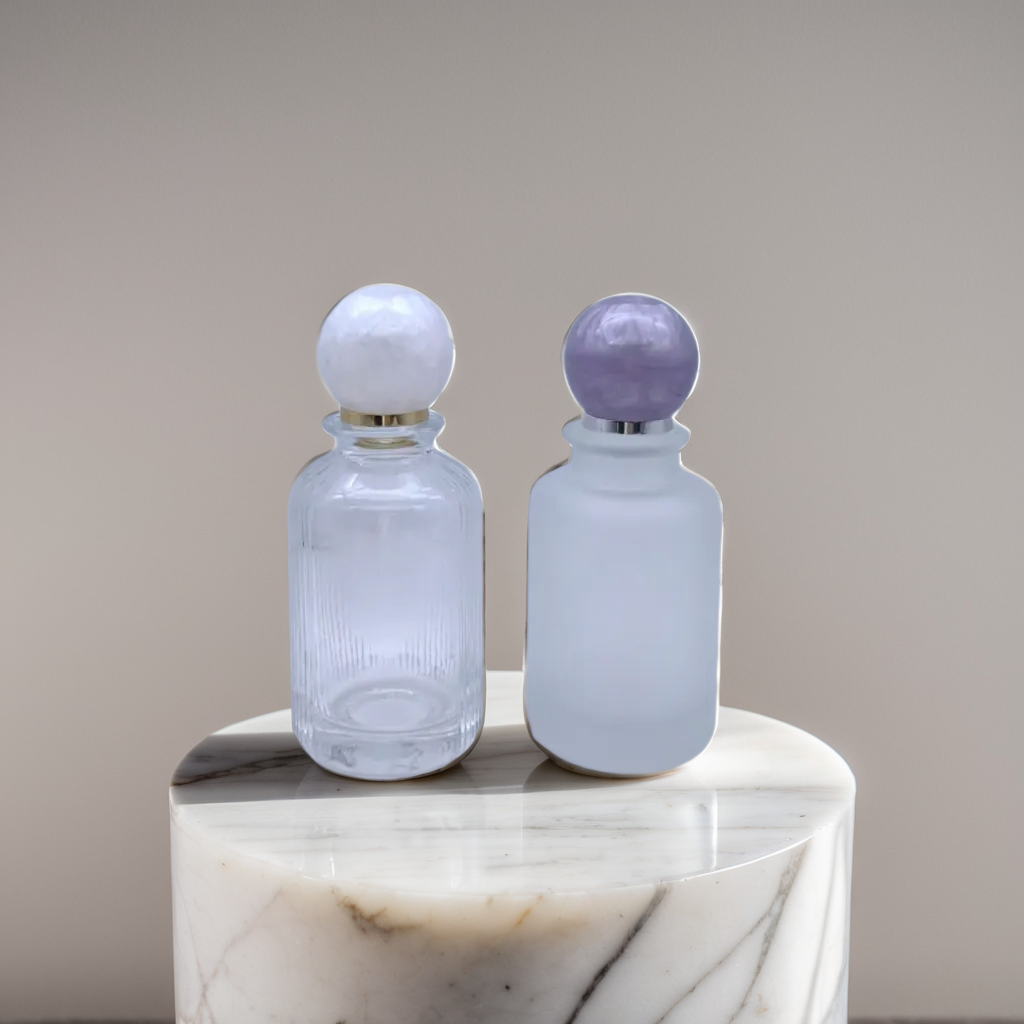
Why Refilling Perfume Bottles Is Worth Doing
Refilling a perfume bottle is more than a practical solution—it reflects a mindful approach to fragrance consumption and sustainable living. Many perfume lovers know the disappointment of reaching the last drop of a favorite scent. Instead of discarding the bottle, learning how to refill a perfume bottle offers a simple yet meaningful alternative.
From an environmental perspective, refilling perfume bottles significantly reduces packaging waste. Glass bottles, pumps, and decorative components require substantial resources to produce. By extending their life cycle, refillable perfume bottles help lower material consumption and carbon emissions. This is why an increasing number of fragrance brands are introducing refill systems as part of their long-term sustainability strategy.
On a personal level, learning how to refill a perfume bottle allows you to continue enjoying the scents you love while making a responsible choice. Properly refilling ensures the fragrance remains true to its original character—without unnecessary waste.
Tools and Materials You’ll Need
Choosing the Right Refilling Tools
A smooth and clean refill process starts with proper tools. Here’s a simple checklist to prepare before you begin:
| Item | Purpose |
|---|---|
| Empty perfume bottle | The bottle you plan to refill |
| Small funnel or perfume syringe | For precise and spill-free transfer |
| Pliers | Useful for removing tight sprayers or collars |
| Scissors | To remove seals or outer packaging |
| Paper towels or soft cloth | To absorb spills and protect surfaces |
Using the right tools minimizes product loss and prevents damage to delicate glass components.
Preparing the Bottle and the Fragrance
Before refilling, preparation is essential—especially if you are switching to a different fragrance.
If the bottle previously held another scent, it must be completely cleaned and dried. Any residue can alter the color, clarity, or scent profile of the new perfume. Rinse the bottle thoroughly, allow it to air-dry, and ensure there is no lingering aroma before refilling.
This step is particularly important for complex fragrance formulas, where even small traces of another scent can affect the final result.
Setting Up a Clean and Safe Workspace
Choose a stable, well-lit area for refilling. Good lighting helps you control the flow of perfume and avoid overfilling. Cover your workspace with a towel or cloth to protect surfaces and make cleanup easier.
A calm, distraction-free environment is highly recommended—especially if you’re handling glass bottles or unfamiliar sprayer designs. A steady setup dramatically increases accuracy and reduces the risk of spills or breakage.
Step-by-Step Guide: How to Refill a Perfume Bottle
Step 1: Remove the Sprayer or Cap
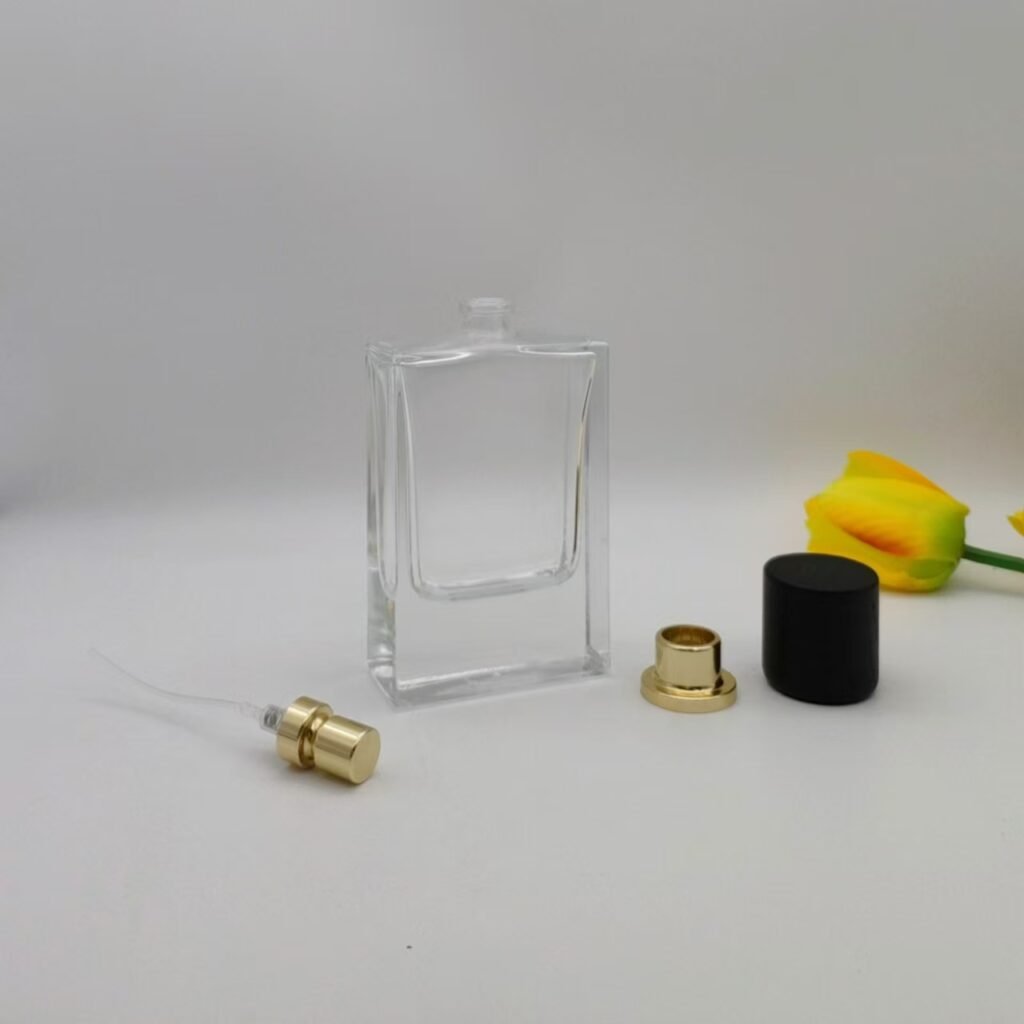
Start by carefully opening the bottle.
- If the bottle has a screw cap, gently twist it off by hand.
- For press-fit sprayers, use pliers for better grip. Wrap the sprayer with a cloth or paper towel before applying pressure to avoid scratches or deformation.
Work slowly and avoid excessive force, as the bottle neck is the most fragile part.
Step 2: Transfer the Perfume
Once the bottle is open, it’s time to refill.
- Using a funnel: Place it securely in the bottle opening and slowly pour the perfume.
- Using a syringe: Draw the perfume from the source bottle and carefully dispense it into the empty bottle.
Fill gradually and leave a small air gap at the top. Overfilling can cause leakage when the sprayer is reattached.
Step 3: Reattach the Sprayer or Cap
After refilling, gently place the sprayer or cap back onto the bottle. Secure it firmly but do not overtighten. Shake the bottle minimally to avoid forcing perfume into the sprayer mechanism prematurely.
Double-check the seal to ensure there are no leaks before storing or using the bottle.
Tips for a Clean and Spill-Free Refill
Common Mistakes to Avoid
- Overfilling the bottle
- Failing to secure the sprayer tightly
- Applying too much force when closing the bottle
A controlled, patient approach protects both the fragrance and the bottle.
How to Handle Accidental Spills
If a spill occurs, blot it immediately with a paper towel or cloth. Avoid spreading the liquid. For lingering scent on surfaces, warm water and mild detergent usually remove oily residues effectively.
Cleanup is part of the refilling process—treat it with the same level of care.
How to Preserve Fragrance Quality After Refilling
Maintaining Scent Integrity
Perfume is sensitive to air exposure. Ensure the bottle is sealed as tightly as it was originally. Oxidation can alter the fragrance structure, reducing freshness and depth over time.
Unless you intentionally want to experiment, avoid mixing different perfumes in the same bottle. Refilling with the same fragrance is the best way to preserve its original character.
Proper Storage for Refilled Perfume Bottles
Store refilled bottles away from:
- Direct sunlight
- High temperatures
- Humidity
A cool, dark place helps maintain the fragrance’s complexity and longevity. Proper storage can significantly extend the life of both the scent and the packaging.
Environmental Benefits of Refilling Perfume Bottles
Refilling perfume bottles plays a meaningful role in reducing waste and supporting sustainable packaging practices. Each reused bottle represents fewer raw materials consumed and less waste generated.
This small habit reflects a broader mindset—one that values responsible consumption and long-term environmental impact. For both consumers and brands, refillable perfume systems are becoming an essential part of sustainable beauty.
Final Thoughts: Making Refilling Perfume bottles A Part of Your Fragrance Routine
Refilling a perfume bottle is not just a practical skill—it’s a conscious choice. It allows you to enjoy your favorite scents longer while reducing environmental impact and packaging waste.
By cleaning, refilling, and reusing perfume bottles, you take part in a more sustainable approach to fragrance care—one that balances personal enjoyment with responsibility. Over time, these small actions contribute to a more thoughtful and sustainable beauty industry.
Looking Beyond Refilling: Designing Perfume Bottles for Long-Term Use
As refillable perfume bottles become more popular, the way a bottle is designed, sealed, and manufactured plays a critical role in the refilling experience.
In practice, issues such as poor sealing, incompatible pump fittings, or unstable glass tolerances often lead to leakage, evaporation, or fragrance degradation after refilling. These problems are usually not caused by the refilling process itself—but by how the bottle and closure were engineered from the beginning.
That’s why more fragrance brands are now rethinking packaging from a refill-first perspective:
- Stable neck dimensions for repeated opening and closing
- Caps and pumps designed to maintain airtight sealing
- Glass thickness and surface treatments suitable for long-term reuse
If you are developing or sourcing refillable perfume bottles, glass flacons, or matching caps, choosing the right manufacturing partner early can significantly reduce quality risks later on.
If you’d like to explore how refill-friendly perfume packaging is designed and produced at the source level, feel free to reach out to Ziling. Even a brief discussion at the early stage can help avoid costly redesigns and quality issues down the line.