
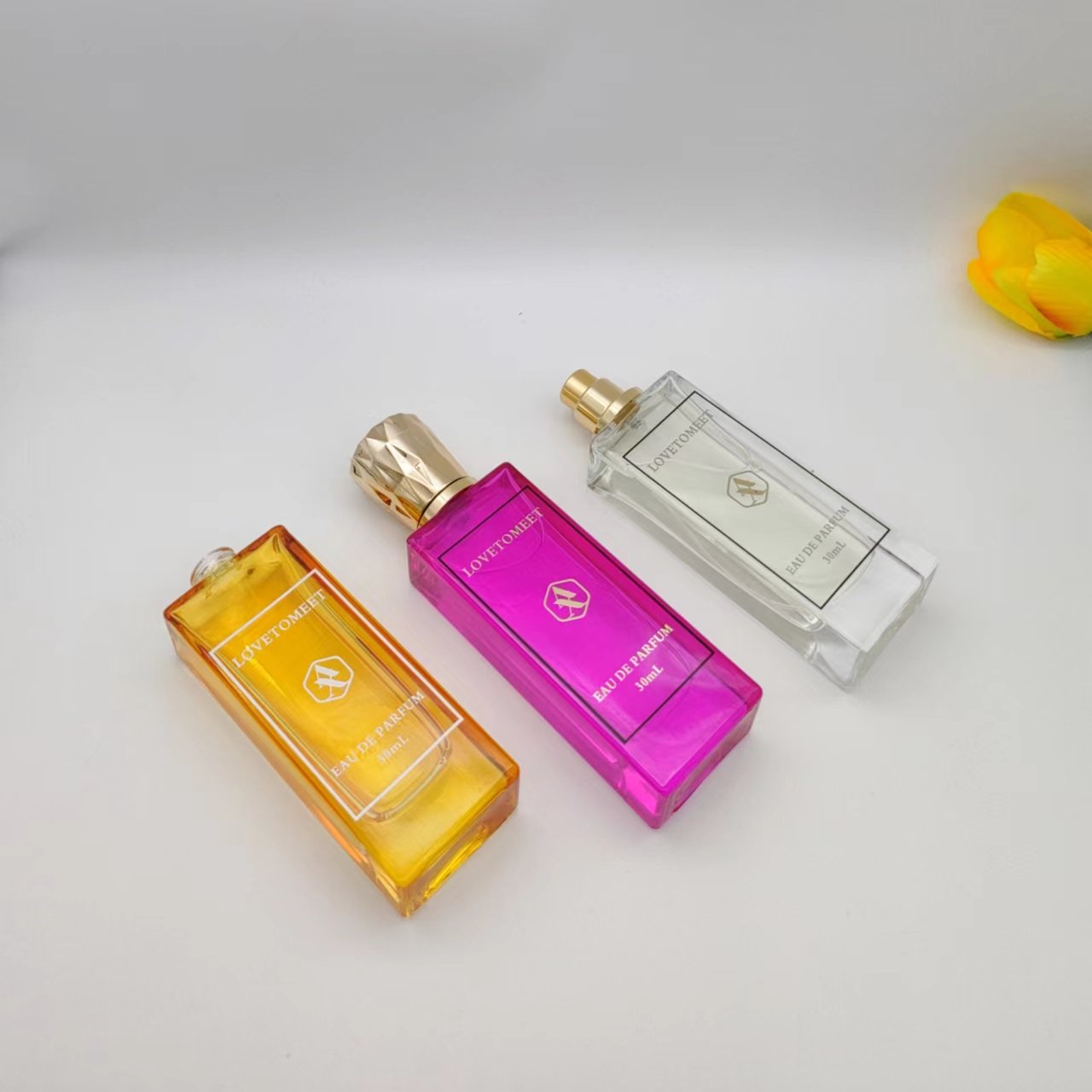
Perfume bottles are beautifully designed but can sometimes be difficult to open, especially when you want to refill the bottle, transfer the fragrance, or reuse the packaging.
Different perfume bottles use different sealing systems, such as crimp pumps, screw caps, or snap-on atomizers, and each design requires a slightly different opening method.
In this article, we’ll explore how to open perfume bottles effectively, including tips and tricks for various designs.
- common perfume bottle types
- essential tools for opening perfume bottles
- safe techniques for various bottle designs
- how to clean bottles after opening
- creative ways to reuse empty perfume bottles
Whether you’re a fragrance enthusiast or a perfume brand developer, understanding perfume bottle structures can help you handle them safely and efficiently.
Understanding Different Types of Perfume Bottles
Before attempting to open a perfume bottle, it’s important to understand its construction. Different bottle designs require different tools and techniques.
Crimp Neck Bottles
Crimp neck bottles are the most common design used in commercial perfumes.
The spray pump is permanently crimped onto the bottle neck using aluminum.
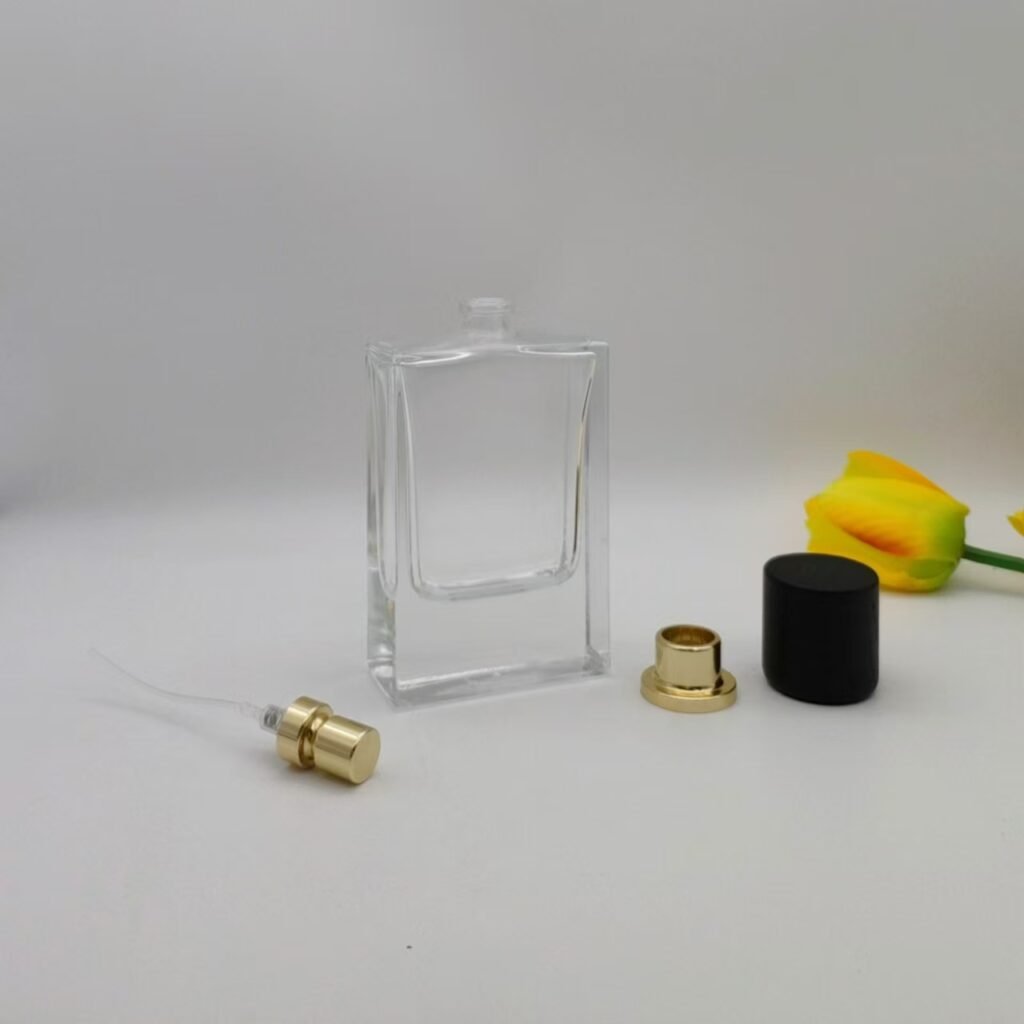
Characteristics:
- professional sealing
- leak-resistant
- difficult to remove without tools
These bottles are widely used for luxury perfume brands and retail products.
Screw Cap Bottles
Some perfume bottles use a simple screw mechanism.
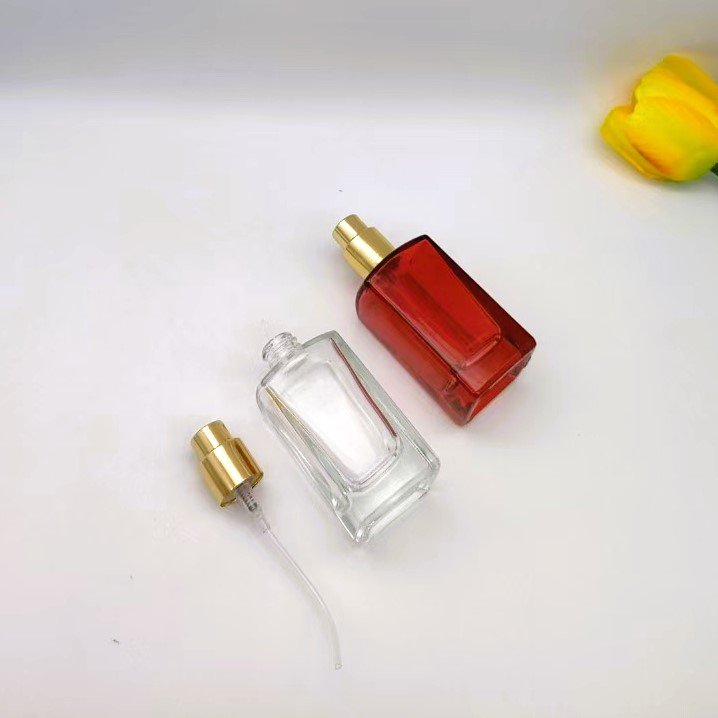
Advantages:
- easy to open
- refillable
- reusable
This design is common for travel perfume bottles and refillable atomizers.
Snap-On Spray Bottles
Snap-on bottles have pumps that are pressed onto the bottle neck.
Characteristics:
- easier to remove
- common in smaller bottles
- often used in sample packaging
Essential Tools for Opening Perfume Bottles
How to open perfume bottles safely often requires basic tools to prevent damage to the bottle or injury.
Below is a list of commonly used tools.
| Tool | Purpose |
|---|---|
| Pliers | Used to grip and remove metal crimp collars around the spray pump |
| Flat-head screwdriver | Helps pry off decorative caps or loosen tight components |
| Small knife or blade | Useful for carefully cutting aluminum crimp seals |
| Towel or cloth | Protects hands and prevents slipping while gripping the bottle |
| Funnel | Allows fragrance transfer after opening |
| Syringe or pipette | Helps extract perfume from narrow bottle openings |
Using proper tools ensures that the bottle can be opened without breaking the glass or spilling the perfume.
Tips for How to Open Perfume Bottles: Best Practices
How to open perfume bottles, whether they are spray bottles, dabbers, or other designs, requires certain techniques to ensure that the process is both safe and efficient. Each bottle design may pose unique challenges; thus, understanding the best practices for each type can greatly enhance your experience while minimizing risks such as spills or breakage.
| Bottle Types | Steps | Tips |
| Opening a Crimped Perfume Bottle | 1.Wrap the bottle neck with a cloth to protect the glass. 2.Use pliers to gently loosen the aluminum crimp collar. 3.Slowly bend the metal outward until it loosens. 4.Carefully pull the spray pump upward | Crimped perfume bottles require a bit more effort to open. 1.work slowly to avoid glass breakage 2.do not apply excessive force 3.keep perfume away from eyes and skin |
| Opening a Screw Cap Perfume Bottle | 1.Hold the bottle firmly. 2.Twist the cap counterclockwise. 3.Remove the spray pump if needed. | This is the easiest type to open. These bottles are often designed to be refillable, making them ideal for travel or decanting fragrances. |
| Opening a Snap-On Atomizer | 1.Remove the outer decorative cap. 2.Hold the bottle firmly. 3.Pull the spray head upward. | Sometimes a small amount of force is required, but avoid twisting aggressively. |
In addition to these methods, always keep safety precautions in mind. Ensure you are in a stable environment and avoid opening bottles near surfaces that can be damaged by fragrance spills. It is wise to have a soft cloth or paper towel nearby to catch any unexpected drips. Finally, check for any cracks or damage to the bottle before attempting to open it; doing so can prevent accidents and ensure that your fragrance remains intact.
Cleaning and Preparing the Bottle After Opening
When it comes to cleaning and preparing an opened perfume bottle for its next use or repurposing, it is essential to follow appropriate methods tailored to the glass bottles.
Cleaning Steps
- Empty any remaining perfume.
- Rinse the bottle with warm water.
- Add a small amount of rubbing alcohol.
- Shake gently to remove fragrance residue.
- Rinse again and allow the bottle to air dry.
Why Cleaning Matters
Cleaning prevents:
- fragrance mixing
- chemical contamination
- scent distortion
This step is particularly important if the bottle will be used for another fragrance or DIY perfume blending.
To ensure that no residual scents linger, consider using a solution of vinegar and water. After cleaning the bottle, pour a small amount of this mixture inside and swirl it around, then rinse again with water. This technique helps neutralize any leftover fragrance, preparing the bottle for a new scent or for use as a decorative item.
Always ensure that the bottle is completely dry before refilling or storing to avoid moisture-related issues that could damage the material or affect future contents. Proper cleaning and preparation of your perfume bottle not only extends its life but also enhances the overall experience of using it again in the future.
Upcycling Ideas for Old Perfume Bottles
Upcycling has gained significant popularity as a sustainable practice, allowing individuals to repurpose items that would typically be discarded. Old perfume bottles, often exquisite in design, present a myriad of opportunities for creative reuse. Many fragrance lovers reuse them in creative ways.
Decorative Home Items
Beautiful perfume bottles can become elegant decorative pieces for:
- dressing tables
- bathrooms
- display shelves
DIY Diffusers
Old perfume bottles can be turned into home fragrance diffusers by adding essential oils and diffuser sticks.
Mini Flower Vases
Small perfume bottles can work as charming mini vases for dried flowers.
Travel Perfume Containers
Some bottles can be cleaned and reused as refillable travel perfume bottles.
Upcycling perfume bottles not only reduces waste but also adds creativity to everyday objects.
As more individuals seek sustainable living solutions, upcycling offers a practical route to reduce waste. By reimagining old perfume bottles, one not only extends their lifecycle but also contributes positively to the environment. This approach fosters both creativity and sustainability, combining beauty with functionality.
Vintage Perfume Bottles: Collecting and Caring for Them
The allure of vintage perfume bottles is undeniable. These exquisite items not only represent the artistry of their time but also carry a nostalgic charm that appeals to collectors and enthusiasts alike. When embarking on the journey of collecting vintage perfume bottles, it is essential to be aware of several key factors that will guide you in selecting pieces that are not only visually appealing but also valuable in the collector’s market.
Firstly, potential collectors must consider the brand, age, and rarity of the bottle. Renowned brands such as Chanel, Dior, and Guerlain produced iconic bottles that are highly sought after. Additionally, bottles manufactured during specific periods or those with limited production runs often command higher prices. It is advisable to research particular styles, such as Art Deco or Victorian influences, which may inform purchasing decisions. The condition of the bottle is also paramount; any chips, cracks, or significant wear can diminish its value considerably.
Once your collection begins to grow, proper care and storage of vintage perfume bottles become crucial in maintaining their beauty and value. It is best to keep these treasures in a controlled environment away from direct sunlight, as excessive light can fade colors and degrade materials. Maintaining stable temperature and humidity levels is also vital. Incorporating protective displays, such as glass cases or cabinets, can prevent dust accumulation and physical damage.
Furthermore, cleaning vintage bottles requires careful attention. Using a soft, dry cloth for dusting is recommended, as harsher cleaning solutions can harm the ornate designs and potentially lead to irreversible damage. Collectors should prioritize preserving the integrity of the bottles rather than merely focusing on their aesthetic appeal. By adhering to these practices, collectors can enjoy their vintage perfume bottles for years while significantly preserving their historical and monetary worth.
Conclusion
Perfume bottles come in many different designs, and understanding their structure makes it easier to open them safely.
By using the right tools and following careful techniques, you can remove spray pumps, transfer fragrances, and reuse bottles without damaging them.
For fragrance enthusiasts, learning how to open perfume bottles also opens opportunities for refilling, decanting, and creative reuse.
For perfume brands, proper bottle design and engineering play an essential role in leak prevention, usability, and premium packaging presentation.
Looking for Custom Perfume Bottles?
At ZILING Packaging, we specialize in manufacturing high-quality perfume packaging solutions, including:
- glass perfume bottles
- refillable perfume atomizers
- custom perfume bottle molds
- decorative finishing such as coating, printing, and hot stamping
Our packaging solutions support fragrance brands worldwide in developing luxury perfumes, travel-size collections, and promotional discovery sets.
If you’re developing a fragrance product and need reliable packaging, feel free to contact our team.